EN
EN  DE
DE 
Embedded systems are an important component of today's technologies and enable a wide variety of applications in diverse fields such as industry, automation, medical technology, automotive, and aerospace. These systems are designed to perform specific functions while adhering to required quality standards and are frequently integrated into larger systems or products. Establishing effective processes for requirements gathering and management is crucial for the success of an embedded system project.
This blog post examines the importance of requirements gathering and requirements management for embedded systems and presents the key considerations for the successful implementation of these processes.
What is Requirements Engineering?
Requirements engineering is the process of eliciting, analyzing, documenting, and validating the requirements for a system. It is a systematic approach that aims to understand and define what a system should and should not do, how it behaves, and what its limitations are. In the context of embedded systems, requirements engineering plays a crucial role in establishing a clear understanding of the system's purpose and functionality. For embedded systems, quality is just as important as functionality.
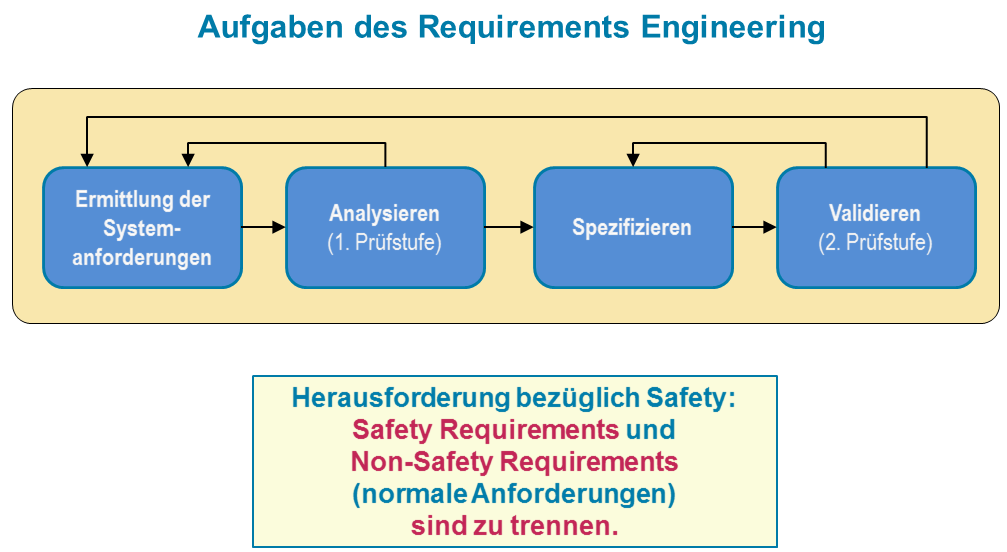
Figure 1: Tasks of Requirements Engineering
The importance of requirements engineering for embedded systems
- Understanding the system
Effective requirements engineering enables a deep understanding of the system to be developed. It helps to identify stakeholders, their needs, and the system boundaries. This understanding forms the basis for sound design decisions and ensures that the system fulfills the desired objectives.
- Clear communication
Requirements analysis serves as a means of communication between stakeholders, including system designers, developers, and end users. Clear and unambiguous requirements help bridge the gap between technical and non-technical stakeholders and ensure that all stakeholders are on the same page regarding the system's functionality and performance.
- Risk minimization
Early identification and analysis of requirements in the development process can help identify potential risks and challenges. By considering requirements in the initial phase, project teams can proactively address problems and reduce the likelihood of costly rework or project delays.
Requirements management for embedded systems
Requirements management encompasses the process of organizing, documenting, prioritizing, and tracking requirements throughout the entire system development lifecycle. It ensures that requirements are effectively managed and controlled, and provides traceability and transparency for all stakeholders.
Important considerations for requirements management in embedded systems
- Documentation of requirements
A well-documented set of requirements is essential for successful requirements management. It should contain precise and unambiguous descriptions along with all associated acceptance criteria. Using standard documentation formats and templates improves consistency and understanding.
- Traceability
Traceability refers to the ability to track requirements from their origin throughout the entire development process. It enables stakeholders to understand the reasons behind each requirement and helps ensure that all requirements are implemented and tested. Traceability also aids in managing changes and analyzing the impact of modifications to requirements.
- Change management
The requirements for embedded systems can change during the development process due to evolving user needs, market demands, or technological advancements. Effective change management processes, including formal change control procedures, are necessary to assess the impact of proposed changes and ensure proper implementation while minimizing the risk of introducing errors.
- Cooperation and involvement of stakeholders
Successful requirements management requires the active collaboration of all stakeholders, including system architects, developers, testers, and end users. Regular communication, feedback loops, workshops, and reviews help ensure that the requirements are understood and validated by everyone, thereby fostering a sense of individual and shared ownership.
Conclusion
Requirements engineering and requirements management are crucial components of the embedded systems development process. They provide a structured approach to understanding, documenting, and managing system requirements, enabling effective communication, risk mitigation, and successful project outcomes. By adopting best practices in requirements engineering and requirements management, organizations can enhance their ability to develop high-quality embedded systems that meet stakeholder expectations and contribute to technological advancements.
MicroConsult offers a comprehensive resource on this topic. training This training focuses specifically on the requirements of embedded systems, software, and other development domains. It is aimed at engineers, project managers, and anyone involved in the development and implementation of embedded systems. It provides in-depth knowledge and methods for effective... Requirements Engineering and Requirements Management To establish processes.
Further information
MicroConsult expertise in project management
MicroConsult Training & Coaching on the topic of project management
Training: Requirements Engineering and Requirements Management