EN
EN  DE
DE 
C++ has been one of the most important tools in embedded development for years. However, powerful language features alone do not guarantee maintainable software. Only the interplay of a well-thought-out structure, proven design principles, and suitable patterns creates systems that remain robust and adaptable in the long term.
These issues are covered in the new MicroConsult training "Embedded Software Design and Patterns with Modern C++“ by our experienced trainer Thomas Batt. The first training will take place from 9 to 12 November 2026.
Why software design determines project success
Many embedded projects start with a clear vision and a clean architecture. However, with each new requirement, each additional feature, and each short-term workaround, complexity increases. What initially appears to be a pragmatic solution can later prove to be difficult-to-maintain code or an obstacle to future expansion.
In Thomas Batt's training, participants learn to systematically distinguish software design from software architecture and to make conscious design decisions. Topics covered include refactoring, reverse engineering, redesign, and re-engineering, enabling the targeted further development of existing systems.
Modern design principles for embedded systems
A key focus of the training is on proven design principles and their application in modern C++ projects. These include:
- Generic design principles
- The SOLID principles
- Object-oriented design principles
- Clean Code Development (CCD)
Participants learn how these concepts directly impact the quality, maintainability, and extensibility of their software.
Design patterns in practice
Design patterns have been among the most important tools in professional software development for years. In embedded environments, however, they often need to be adapted to real-time, memory, or hardware requirements.
Using concrete examples, the seminar covers, among other things:
- Callback and observer patterns
- State patterns for state machines
- Memory arena and pool allocation pattern
- Manager pattern
- Visitor pattern
- Broker pattern for service-oriented architectures
The focus is not on theory, but on the concrete implementation in C++.
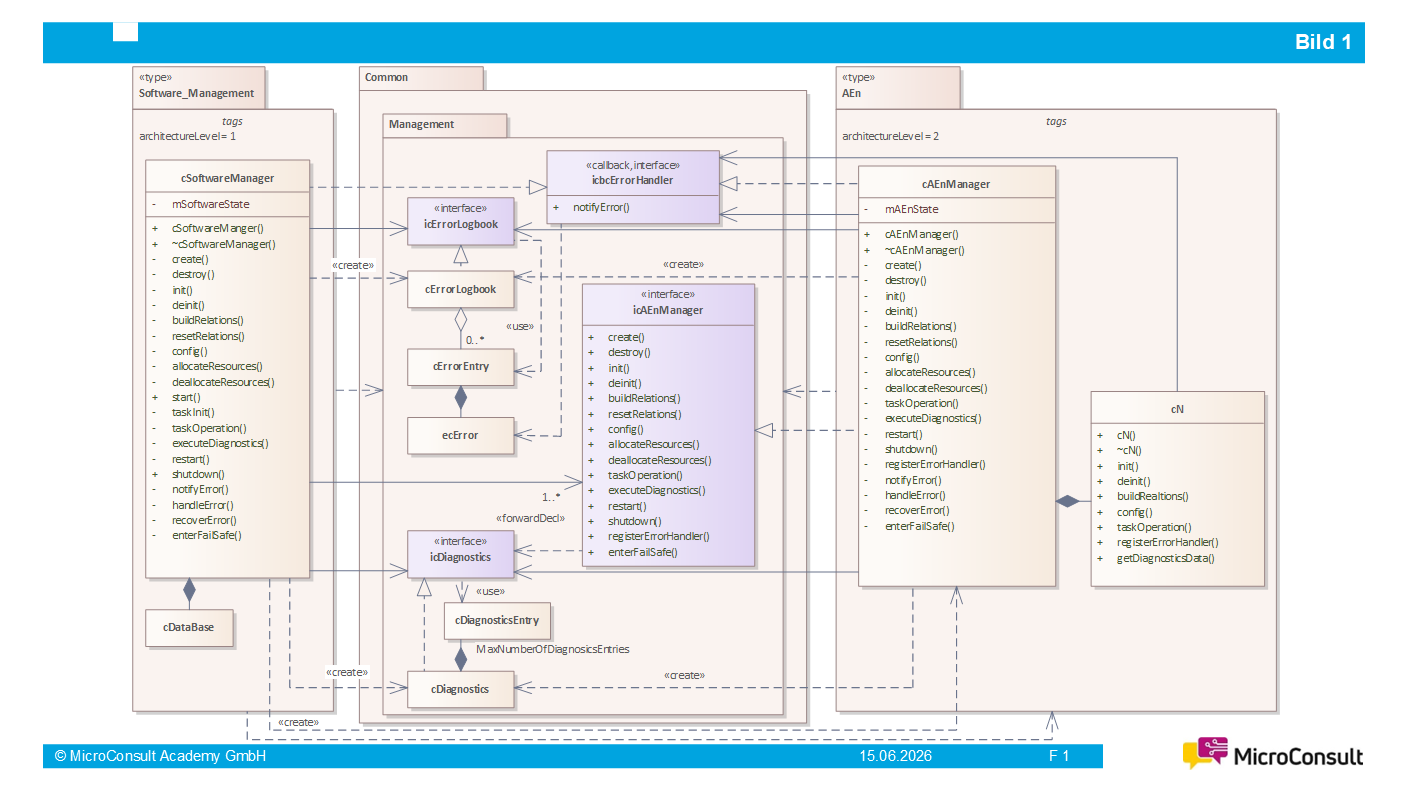
Image 1: Design example for the manager pattern application
From state machines to real-time operating systems
Embedded software often needs to process events, manage states, and react deterministically to external influences. Therefore, the training focuses intensively on the design of state sequence machines – from UML models to various implementation options in C++. Concepts for hardware drivers, interrupt management, and operating system abstractions are also covered.
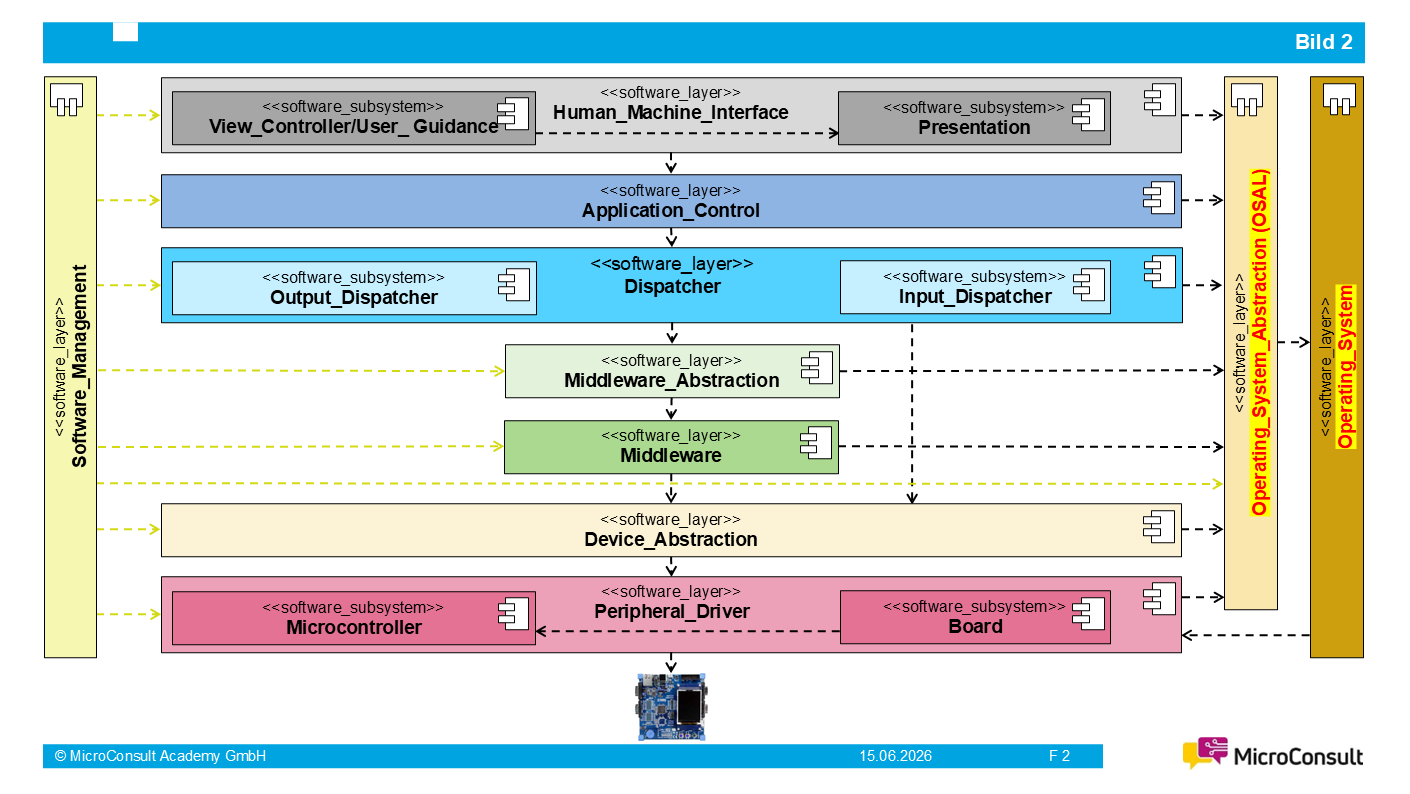
Figure 2: Exemplary embedded software architecture
The integration of real-time operating systems is also covered. Participants learn about modern approaches to task design, singlecore and multicore systems, and the use of FreeRTOS.
Architectural approaches for the future
In addition to classic design techniques, the seminar also covers modern architectural concepts such as:
- Domain driven architecture (DDA)
- Layer pattern
- Service oriented architecture (SOA)
- Broker pattern
The presented concepts are analyzed using specific sensor applications and then implemented in C++.
Learning by doing
The training places particular emphasis on practical application. Participants gradually refine a given embedded software architecture, implement the solutions using modern C++, and test them on an embedded target. This ensures a direct transfer from theory to everyday project work.
Who is this training suitable for?
The seminar addresses software developers, software architects, software designers and team members from embedded, real-time and firmware development who already have practical C++ experience and want to expand their skills specifically in the field of software design.
Conclusion
Technologies are constantly changing – but good software design principles remain. Anyone developing embedded systems that are intended to be maintainable, extensible, and robust in the long term needs more than just good programming skills. Crucially, they need the ability to make conscious architectural and design decisions and to effectively apply modern C++ concepts.
The new training "Embedded Software Design and Patterns with Modern C++"provides the necessary tools - practical, well-founded, and tailored directly to the requirements of modern embedded projects. The first session is scheduled for 9-12 November 2026.
Further information
MicroConsult Training: Embedded Software Design and Patterns with Modern C++
MicroConsult Training & Coaching: Embedded and real-time software engineering
MicroConsult Expertise: Embedded and real-time software engineering
MicroConsult Training & Coaching Overview