EN
EN  DE
DE 
Capturing and managing requirements is a key to project success. Embedded software functionality is easier to describe in requirements than quality attributes. However, quality attributes cannot simply be "tested in" at the end. The more abstract they are, the more complex and time-consuming they are to define. What challenges does this pose for a project?
Which method for capturing quality requirements is best suited to your project? An overview.
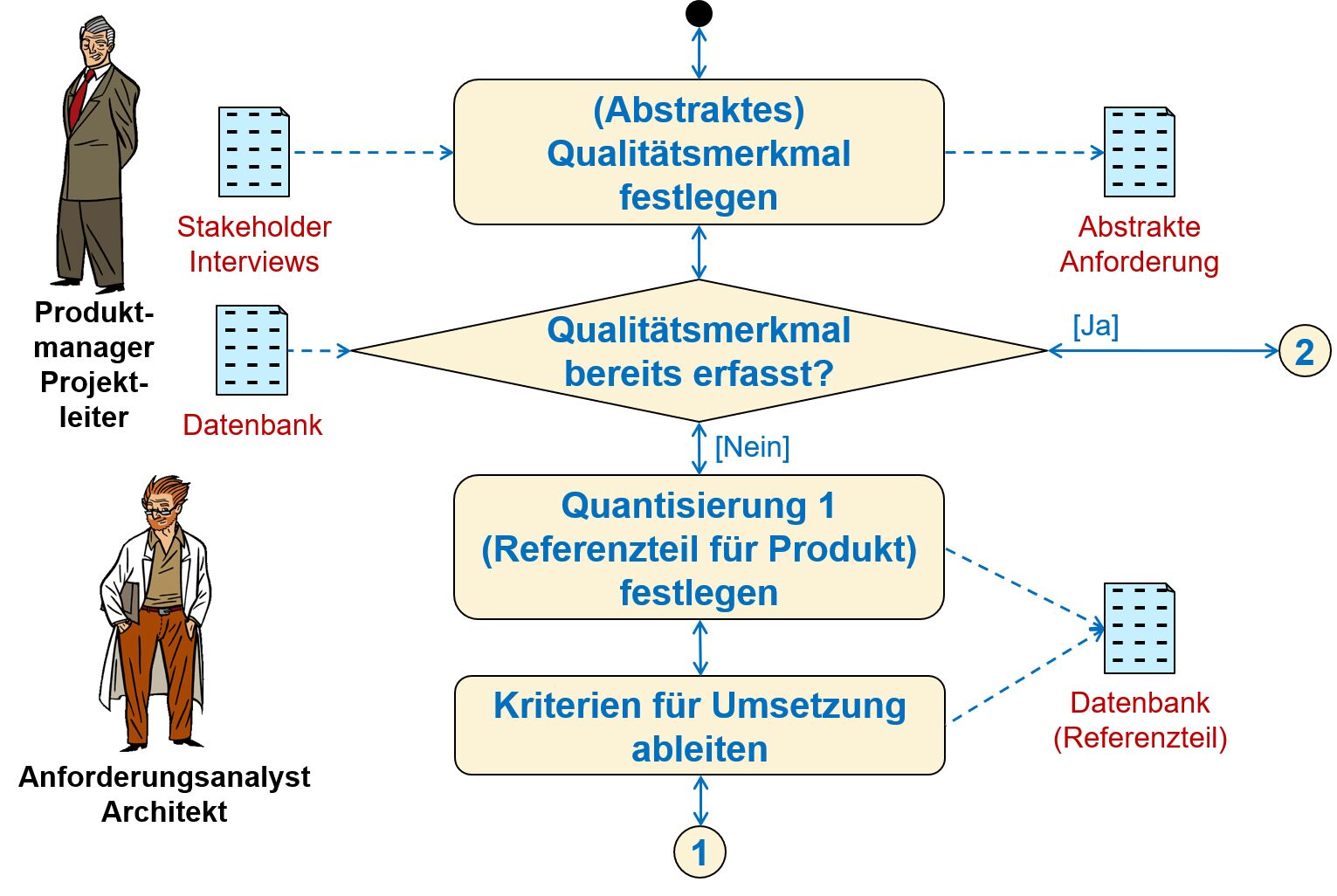
Figure 2-1: Method for recording quality requirements (Part 1)
Define an abstract quality characteristic:
For each quality characteristic, the requirements analyst formulates introductory questions, and for each sub-quality characteristic, further questions. This initially results in abstract requirements. The analyst can then check the database to see if the quality characteristic has already been quantified. If so, the requirements analyst can directly formulate the concrete requirement.
Is the quality characteristic already recorded in the database?
If not, the requirements analyst must re-enter the quality characteristic in the database. Based on the new database entry, the requirements analyst defines the specific requirement, and the test team defines the specific test case.
Set quantization 1 (reference part for product):
The requirements analyst, together with subject matter experts, develops a quantization scheme for the quality characteristic.
Derive criteria for implementation:
The quantization scheme provides criteria and facts for implementing the requirement.
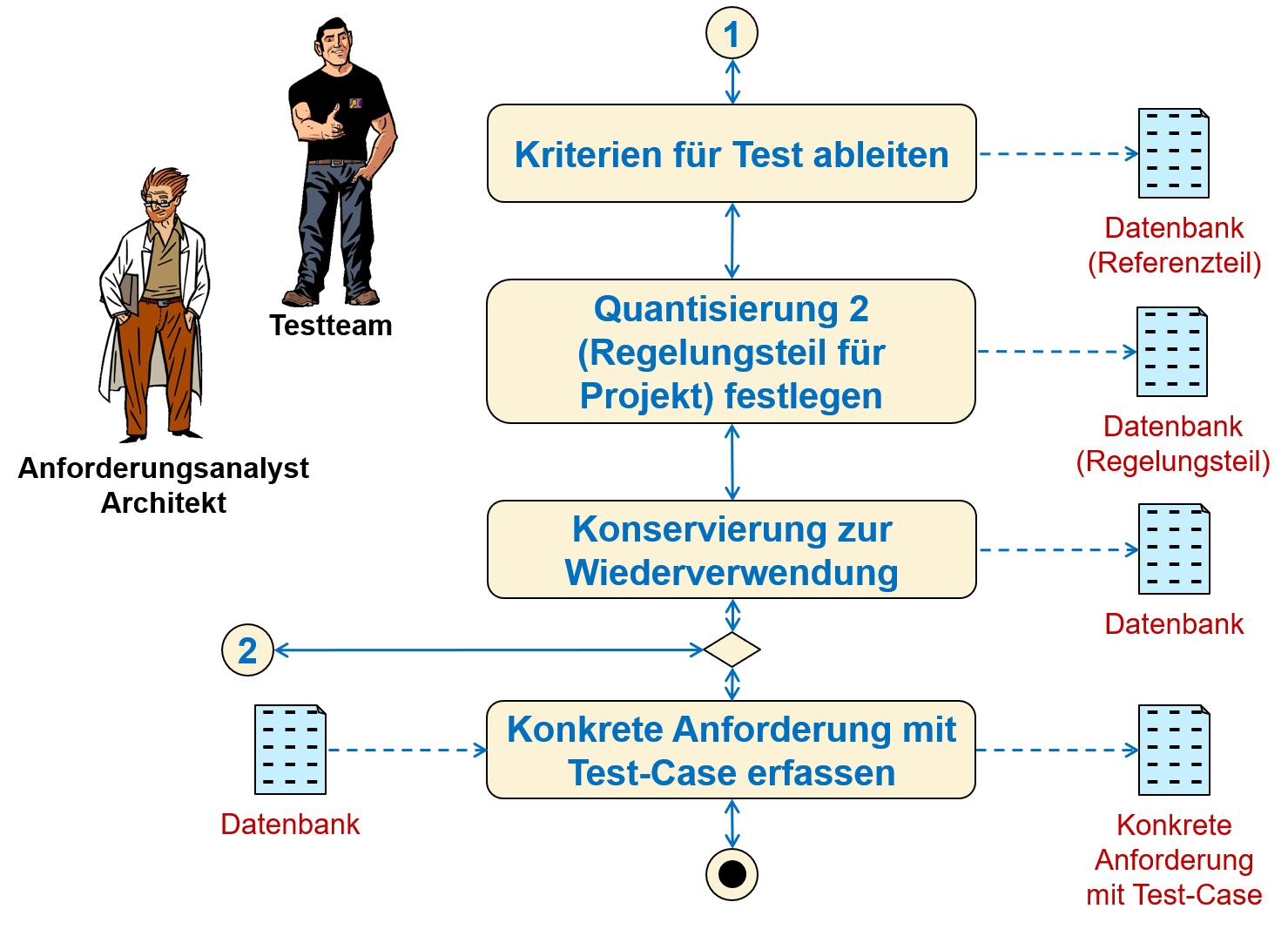
Figure 2-2: Method for recording quality requirements (Part 2)
Derive criteria for the test:
The quantization scheme provides criteria and facts for verifying the requirement.
Define quantization 2 (control section) for project:
Many quantization schemes allow the requirements analyst to adapt values and/or relationships to specific projects.
Preservation for reuse:
The requirements analyst enters newly developed quantization schemes for quality characteristics into the database for reuse.
Define specific requirements with a test case:
Based on the existing abstract requirement, together with the quantization scheme for the quality characteristic under consideration, the requirements analyst defines an implementable and verifiable requirement. From this requirement, the test team derives one or more test cases.
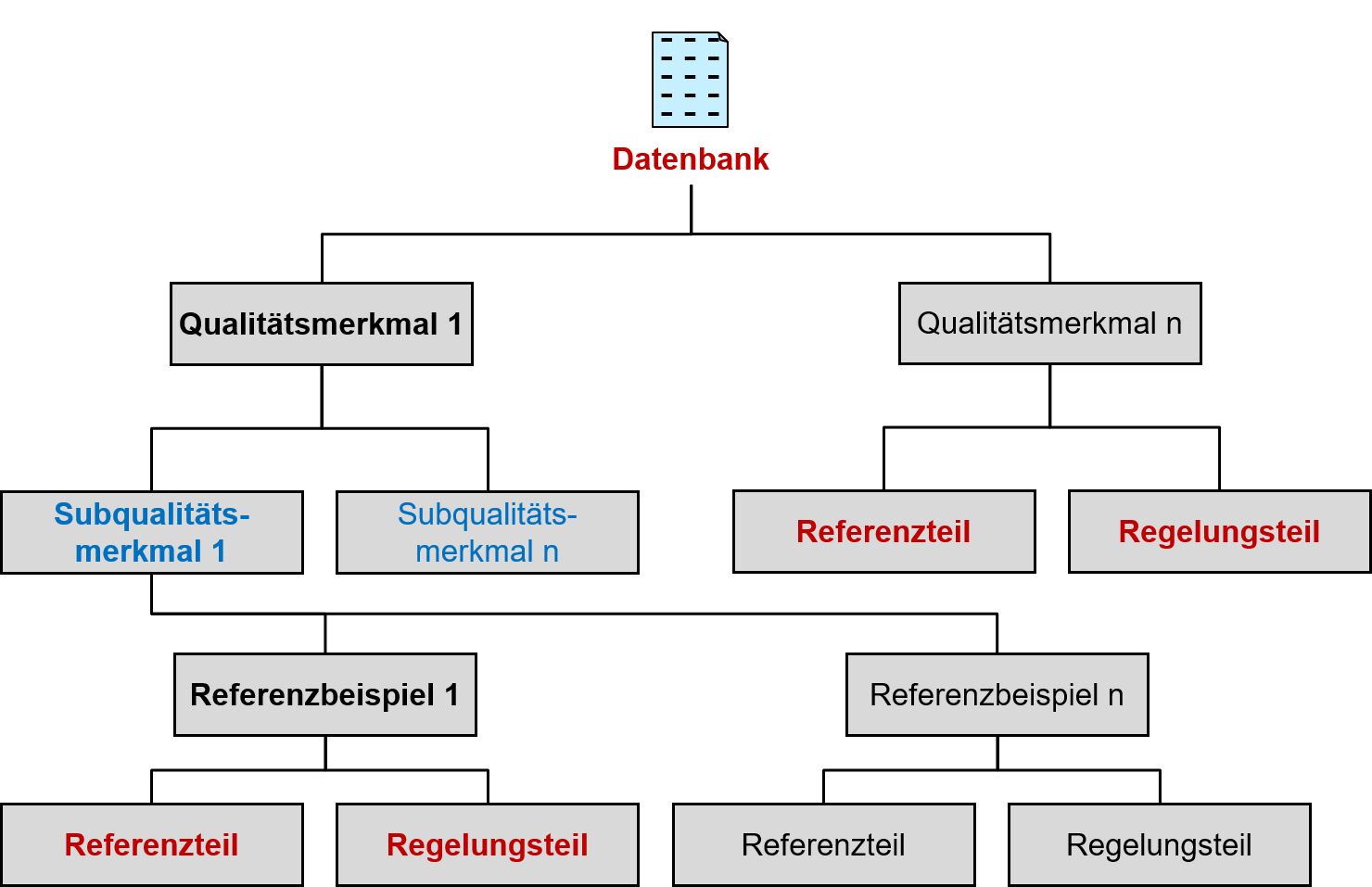
Figure 3: Database structure for quality requirements
The reference database should be kept as generic as possible so that it can meet the constantly growing and changing requirements and the entries can be reused for subsequent projects.
General section:
– Valid and to be taken into account when collecting all quality characteristics
– General and cross-feature information and notes
– Technical contacts
– Further reading and internal link references
Reference example:
Reference examples are created for the (sub-)quality characteristics contained in the database. Each reference example includes a reference section and, optionally, a control section.
Reference section:
The reference section includes key figures and possible value ranges (quantization) for calculating or determining the corresponding (sub-)quality characteristics.
Regulation section:
In the control section, the value ranges are adjusted to suit the specific project. At the end of the control section, the concrete requirement for the corresponding characteristic is defined.
Everything about requirements engineering and quality requirements
Get in MicroConsult Seminar on Requirements Engineering and Management The necessary knowledge to develop and document high-quality requirements and corresponding acceptance criteria. The recently revised version of the seminar is based on over 10 years of practical coaching and seminar experience.
Learn more in seminar, how to assess and improve the quality of existing requirements, how to introduce, evaluate, optimize, understand and implement a requirements process in your company, and how to make informed tool decisions for managing requirements.
Part 1 of the article The section on quality requirements highlights the different types of requirements.
In Part 3 Our author guides us through the most important steps of capturing quality requirements using an example.
Further information
MicroConsult expertise in project management
MicroConsult Training & Coaching on the topic of project management
Training: Requirements Engineering and Requirements Management
Other relevant MicroConsult training courses on this topic:
Functional safety (Fusi) of electronics and their software according to IEC 61508 and ISO 26262
Security foundations for embedded systems
Model-based systems analysis and system design using the Systems Modeling Language
Modeling embedded software with UML",