EN
EN  DE
DE 
Infineon continues its success story with the third generation of AURIX™ microcontrollers. This new generation brings a wealth of improvements and innovations that promise increased performance and efficiency. However, to fully exploit the potential of this technology, a fundamental understanding of these new developments is essential.
Advanced core architecture for higher performance and virtualization
One of the most significant changes is the further development of the core architecture based on the proven TriCore™ architecture (Figure 1). In version 1.8, it enables clock frequencies of up to 500 MHz and offers an extended instruction set as well as optional support for double-precision floating-point calculations. Additionally, the system timer (STM) has been directly integrated into the CPU subsystem to ensure improved non-interference.
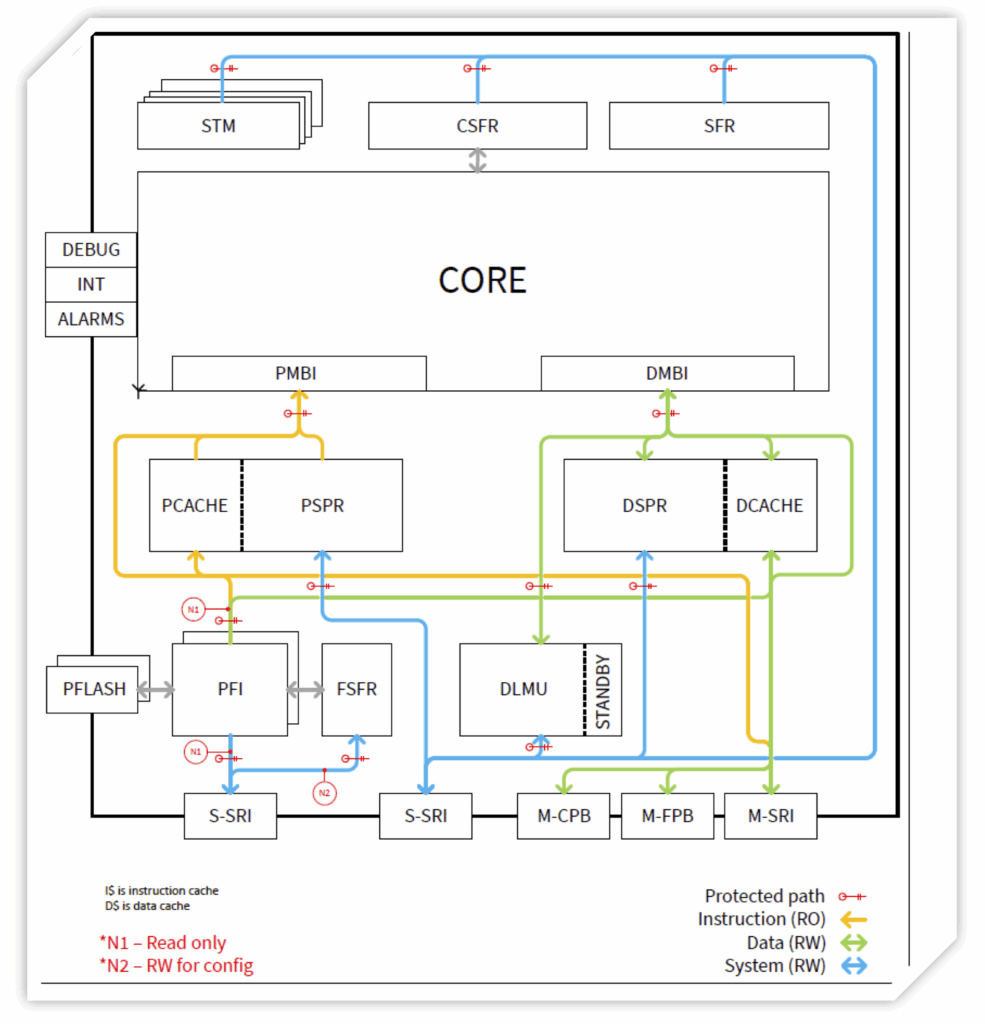
Figure 1: Further development of the core architecture
Hardware-level support for virtualization is another milestone towards the future (Figure 2). This also required extensive adjustments to the Memory Protection Unit (MPU) concept and the introduction of new protection mechanisms at the memory and register levels. The necessary adjustments affect not only the core architecture but extend to the entire system.
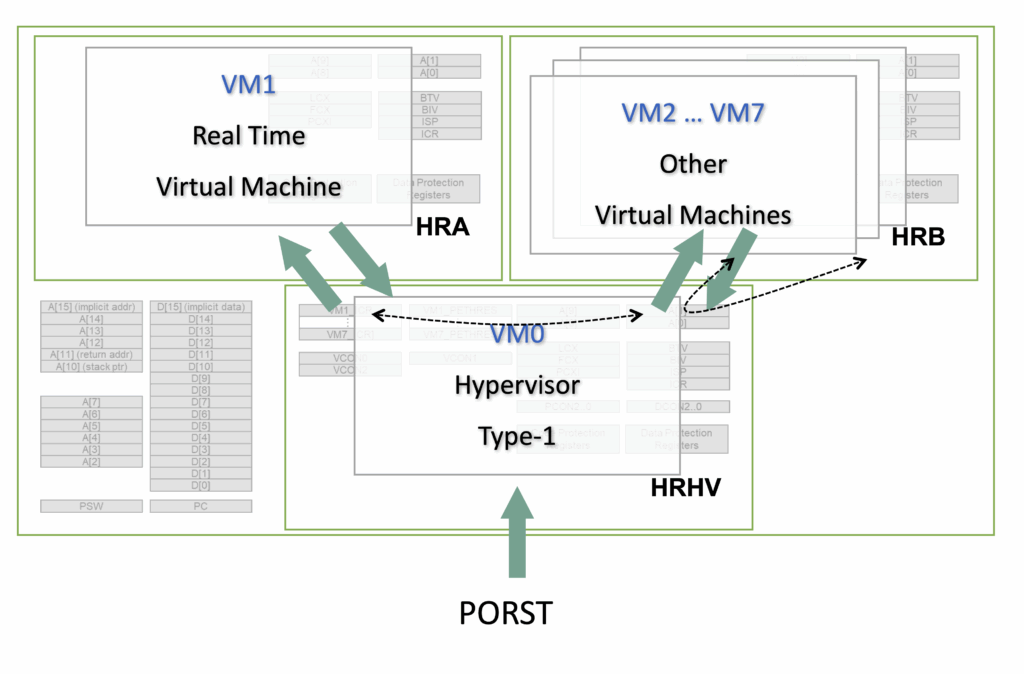
Figure 2: Hardware-side support for virtualization
Hardware accelerators for artificial intelligence
In addition to the TriCore™ CPU subsystems, there is now also a Parallel Processing Unit (PPU) that serves as an acceleration unit for computationally intensive algorithms and supports Single Instruction Multiple Data (SIMD) instructions (Figure 3). This opens up new possibilities for applications in the field of artificial intelligence and simplifies the use of neural networks.
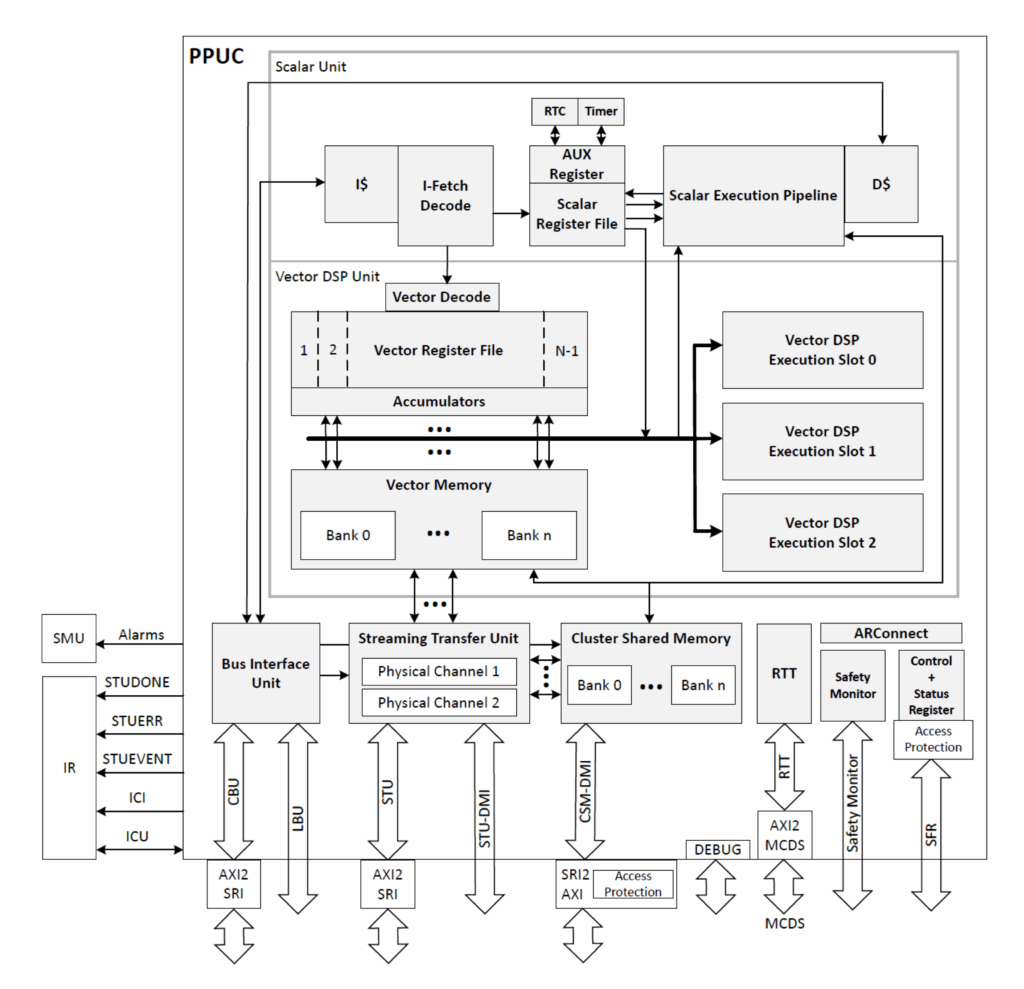
Figure 3: Parallel Processing Unit (PPU)
Adaptation to various application areas
The third generation of AURIX™ microcontrollers (AURIX-4G) also serves all markets, particularly the automotive and industrial sectors. However, the automotive sector has seen a shift in system architecture in recent years, moving towards domain-based systems. This, in turn, increases not only the computational demands of, for example, zone controllers or gateways, but also, and especially, the networking and communication bandwidth. To meet these requirements, specially adapted derivatives are available with increased clock speeds (500 MHz instead of 400 MHz) and hardware-based PCIe interfaces.
Future developments and challenges
The 28nm process technology used offers both advantages and challenges, particularly in the area of non-volatile memory (NVM) such as flash. Infineon therefore plans to focus on new non-volatile memory types such as resistive RAM (RRAM).
The security concept has also undergone some changes to meet current security requirements. Support for the most important symmetric and asymmetric cryptographic methods is a given. However, these are no longer bundled in a separate CPU subsystem called the Hardware Security Module (HSM), but are distributed across several functional blocks within the overall system. The Cybersecurity Real-time Module (CSRM) is responsible for the asymmetric methods and a Random Number Generator (RNG), and largely follows the traditional model of a classic HSM. For faster and more efficient access to symmetric methods, there is now a Cybersecurity Satellite (CSS), which, due to its multi-channel capability, can also handle multiple tasks simultaneously (Figure 4).
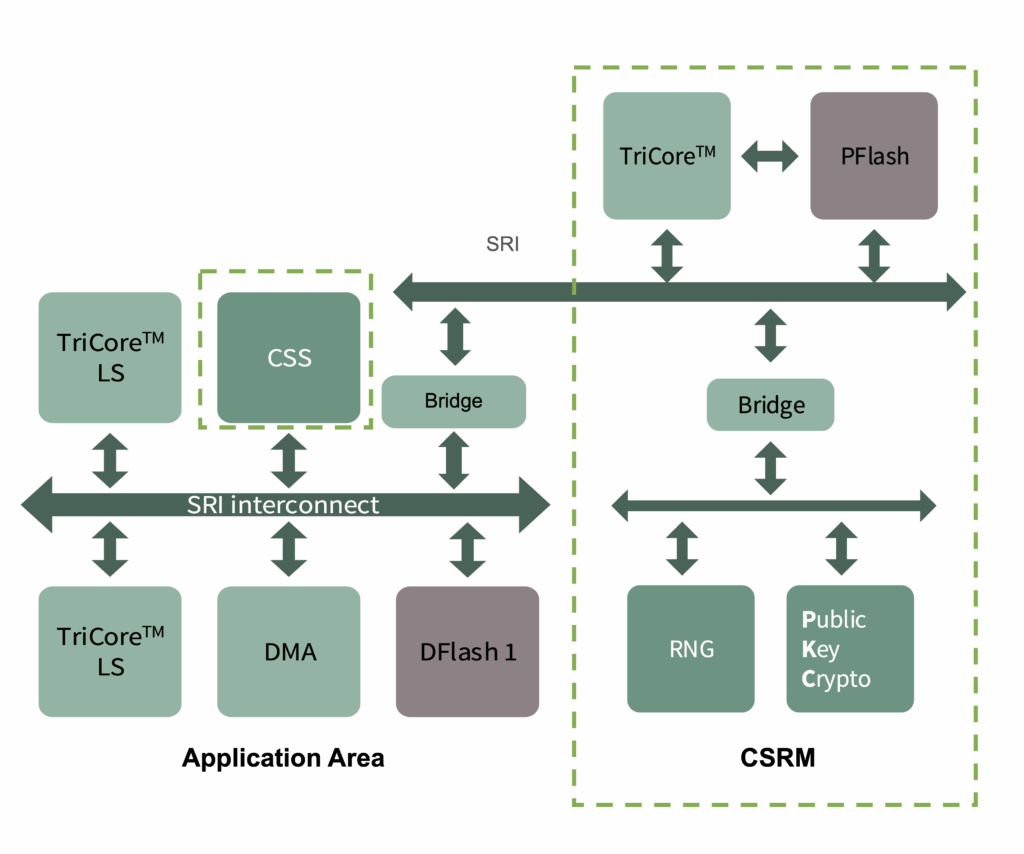
Figure 4: Cybersecurity Real-time Module (CSRM)
Conclusion
Infineon's third generation of AURIX™ microcontrollers sets new standards in performance, efficiency, and security. With an improved core architecture, support for virtualization, and adaptation to diverse application areas, it provides a solid foundation for future embedded projects.
To learn more about this exciting development, participation in special events is recommended. Training, in order to fully utilize the potential of this technology and make future AURIX™ projects a success.
Further information
MicroConsult expertise on the topic of microcontrollers
MicroConsult Training & Coaching on the topic of AURIX™
MicroConsult training & coaching overview
Image source: Infineon Technologies AG