EN
EN  DE
DE You surely remember the crucial sentence in the article about requirements management: "Requirements management stands or falls with the decision-making process." This process supports the handling of a requirement from its initial capture to the decision as to whether the requirement must be implemented, can be implemented, or is rejected.
The author of these lines looks back on many years of experience in requirements management and, in one or two quiet moments, consolidated the various processes that had occupied him, reducing them to the essentials and what was necessary. The result is the so-called elementary decision-making process, which is briefly presented below.
The first part of the process serves to record a requirement with various test criteria and to prepare the decisions.
Figure 1 shows the five process steps:
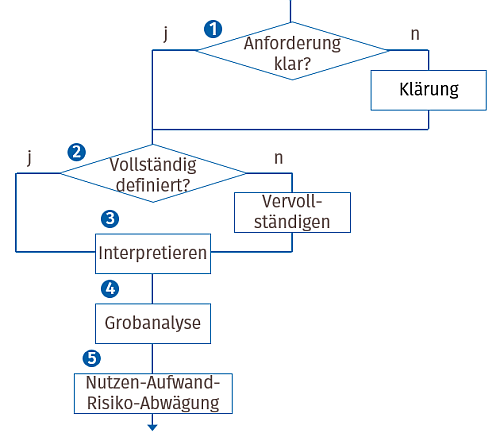
Figure 1: Requirements management – capturing requirements and preparing decisions
In the second part of the process, decisions are made in four further steps:
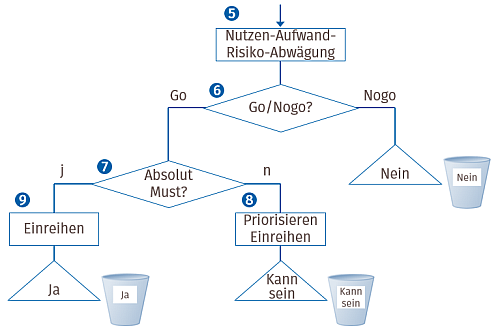
Figure 2: Requirements management – Making decisions about a requirement
Explaining all nine process steps would turn this article into a book, which isn't the point. Therefore, let's look at one step as an example: interpretation.
Let's take a customer with the requirement: "I need a shovel so I can dig a hole." The experienced requirements manager considers, when interpreting the requirement, whether it is valid. They recognize that this requirement already contains the solution: a shovel. The customer's actual need is to dig a hole.
Since a requirement is meant to explain the need without addressing possible solutions, the requirements manager, together with the customer, rephrases the sentence as, "I need a pit so I can dig a fishpond." Now it's become a beautifully concise requirement. We leave it to the development department to work out the best solution for how the pit should be dug. And perhaps the ingenious solution is a large excavator, as the Bavarian singer-songwriter Fredl Fesl might have suggested.
Author:
Alfred Ressenig is a speaker for the training course "Product Management for a Modern Company" formerly offered at MicroConsult and brings 18 years of professional experience as a product manager in renowned international technology companies.
Requirements Management: Training & Coaching
Requirements Engineering and Requirements Management for Embedded Systems
With the knowledge acquired in the Requirements Engineering training, you can introduce, evaluate, optimize, understand and implement a requirements process in your company.
Training: Requirements Engineering and Requirements Management for Embedded Systems
Training & Coaching You can find information on other topics in our portfolio here. here.
Expertise: You can find information on other topics in our portfolio here. here.